
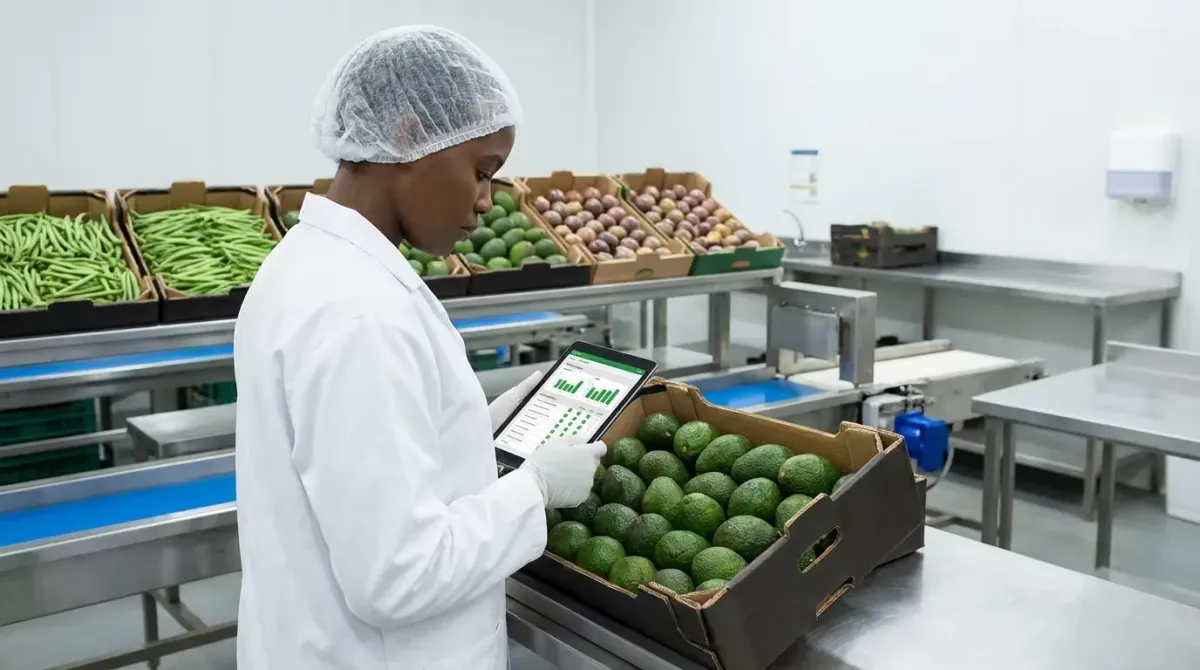
Why GlobalG.A.P. Matters
GlobalG.A.P. is the world's most widely recognized standard for agricultural production. European and North American retailers (Tesco, Carrefour, Whole Foods) require it for fresh produce suppliers. For African cooperatives exporting to premium markets, GlobalG.A.P. certification is often mandatory. Without it, market access is severely limited. With certification, premium pricing points (10-15 percent) become accessible.
Scope of GlobalG.A.P. Requirements
Covers farm management, including: soil and water management (avoiding contamination), pest and disease management (allowed chemicals list), worker welfare and safety (training, compensation, working conditions), waste management (plastic disposal, recycling), traceability (farm records), crop variety selection, and storage/handling. Certification applies to the entire farm operation, not just export crops.
Documentation Requirements
GlobalG.A.P. auditors verify: documented worker training records, chemical application logs, soil test results, pest management plans, waste management procedures, staff attendance records, and traceability demonstrations. Cooperatives must establish systems producing physical evidence of compliance. Absence of records means immediate non-compliance regardless of actual practices.
Audit Process
Initial audit is comprehensive (2-5 days depending on farm size), costing USD 1,000-3,000. Auditors inspect farm facilities, review documents, interview workers, and observe practices. Failure in any major section prevents certification. Most first audits find non-compliances requiring corrections and re-audit. Surveillance audits (annual) are shorter and cheaper (USD 500-1,000). Certification is valid 3 years with annual audits proving continued compliance.
Common First-Audit Failures
Inadequate worker documentation (many smallholder farms employ informal labor with no records). Chemical storage and application records not maintained. Water source quality unverified (critical for irrigation). No documented training program for workers. Traceability gaps (field-to-buyer chain not documented). Worker welfare gaps (inadequate facilities, no compensation documentation). These are correctable but require operational changes and re-audit (add USD 500-1,500 to budget).
Timeline to Certification
Months 1-3: System setup and staff training. Months 4-8: Operational compliance proving effectiveness. Months 9-10: Audit preparation and document collection. Month 11: Initial audit and corrections. Month 12: Certification granted. Realistic timeline: 12-15 months before first shipment from certified farm. Cooperatives should budget accordingly.
Cost Structure for Cooperatives
Audit fees: USD 1,000-3,000 initial, USD 500-1,000 annual. System setup (training, documentation, facility upgrades): USD 3,000-10,000 depending on scale. Per-farmer cost in 100-farm cooperative: USD 40-100 first year, USD 5-15 annually. Larger cooperatives achieve economies of scale. This is investment enabling access to premium buyers willing to pay 10-15 percent premium -- ROI is positive within 2-3 export seasons.
Competitive Value
GlobalG.A.P. certified farms command premium pricing in EU and North American markets. Coupled with traceability and organic certification, creates defensible market position. Certification is proof of quality practices, not guarantee of quality or taste, but reduces buyer risk reducing negotiation friction. Modern retailers view certification as baseline expectation, not differentiator.